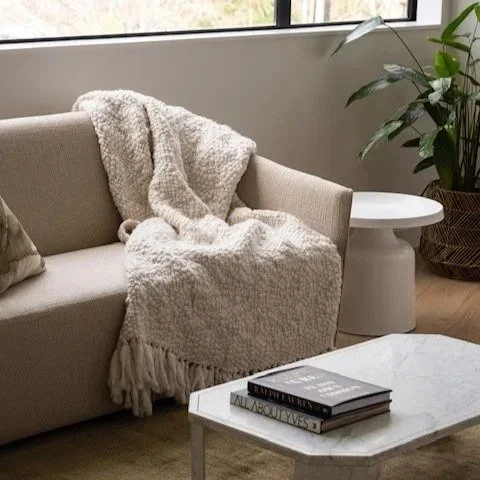
Books are one of the most useful and underrated styling tools in home staging. A few well-chosen books on a coffee table, a styled bookshelf or a small stack on a bedside table can make a room feel warm, lived-in and finished. Used well, books add height, colour and texture, and help buyers imagine a relaxed life in the home. Used badly, they can make a space feel cluttered and personal.
Here's how our Auckland home stagers use books when staging a home for sale, and how you can do the same.
Why use books in home staging?
They add warmth and personality – books suggest a home that is enjoyed, without the personal details of family photos or collections.
They create height and layers – a stack of books lifts a vase, candle or small plant, adding interest to a flat surface.
They bring colour and texture – book spines and covers add subtle colour that ties a room's palette together. See our guide to using texture in interior design.
They photograph well – styled books give listing photos depth and detail, so rooms look finished rather than empty.
They tell a lifestyle story – design, travel, cooking and architecture books hint at the lifestyle the home offers.
How to style coffee table books
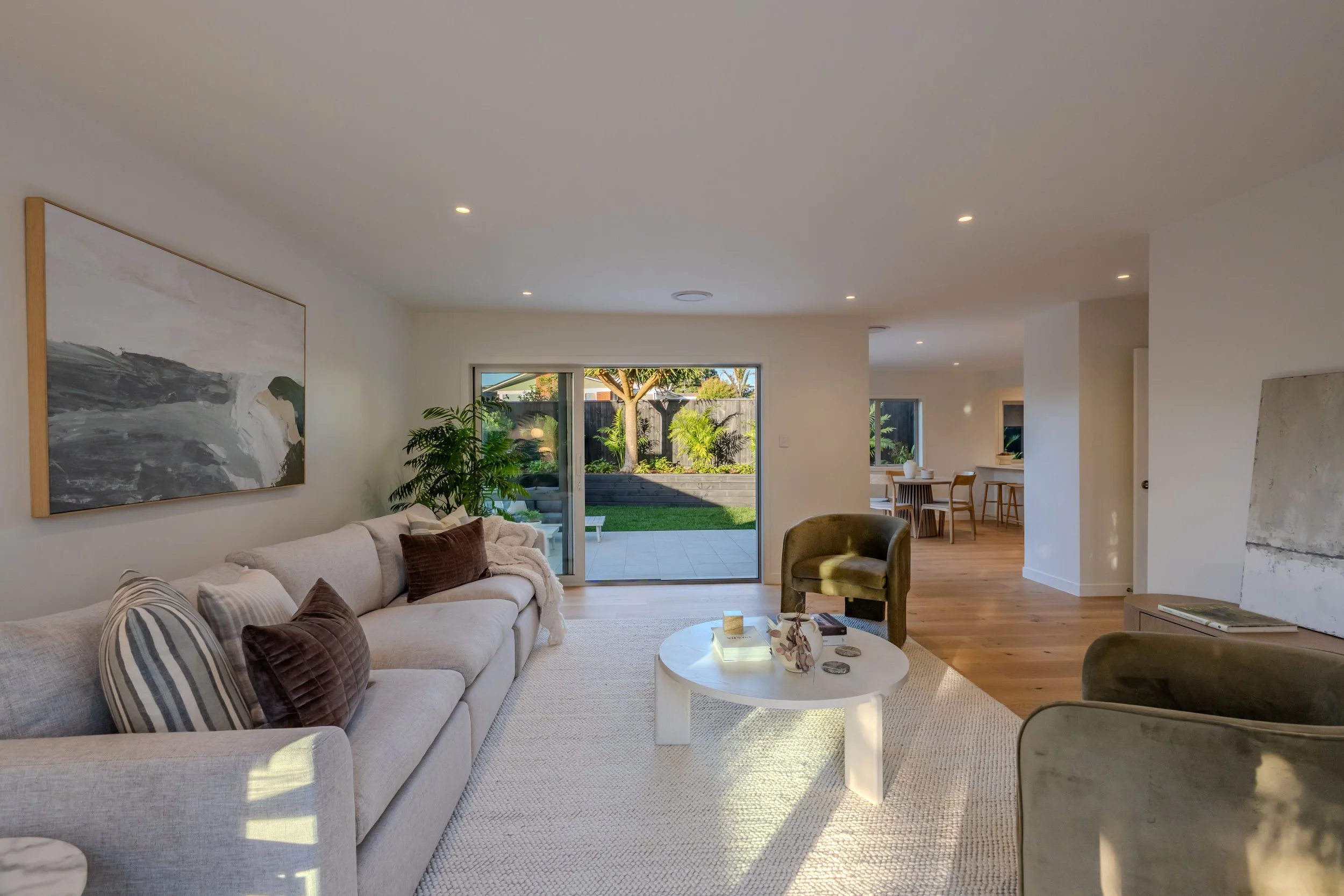
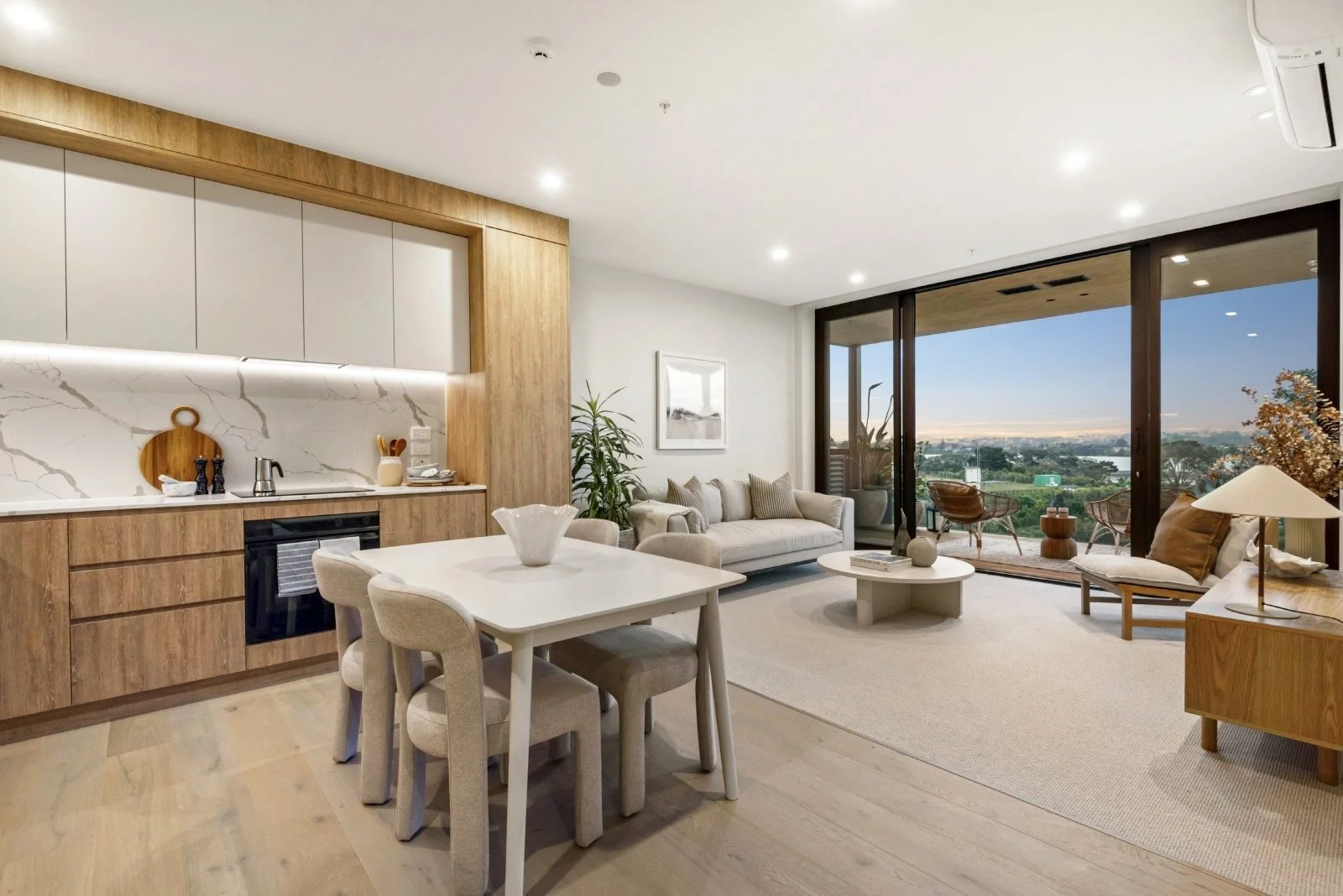
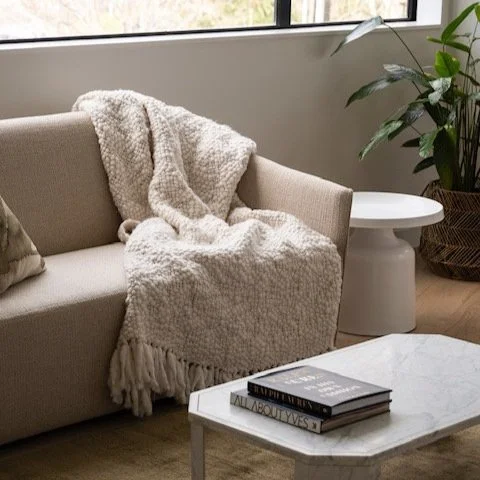
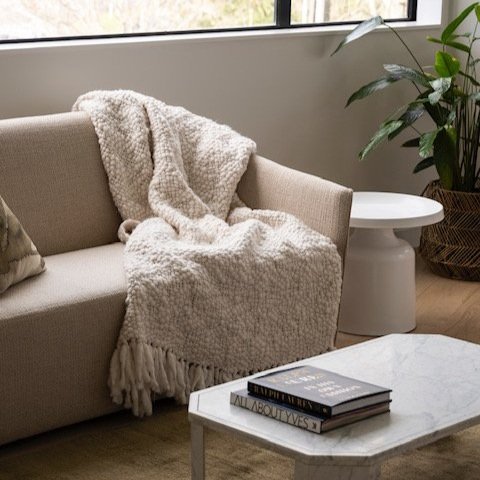
The coffee table is the easiest place to start. Choose two or three large-format coffee table books with attractive covers in colours that suit the room. Stack them with the largest on the bottom, then top the stack with a small object such as a bowl, a candle or a sculptural piece. Place the stack off-centre and balance it with a vase or tray on the other side of the table.
Keep it simple. One styled stack and one or two other items are enough. Buyers should still see the surface of the table and have space to put down a brochure or a cup of coffee.
How to style a bookshelf for home staging
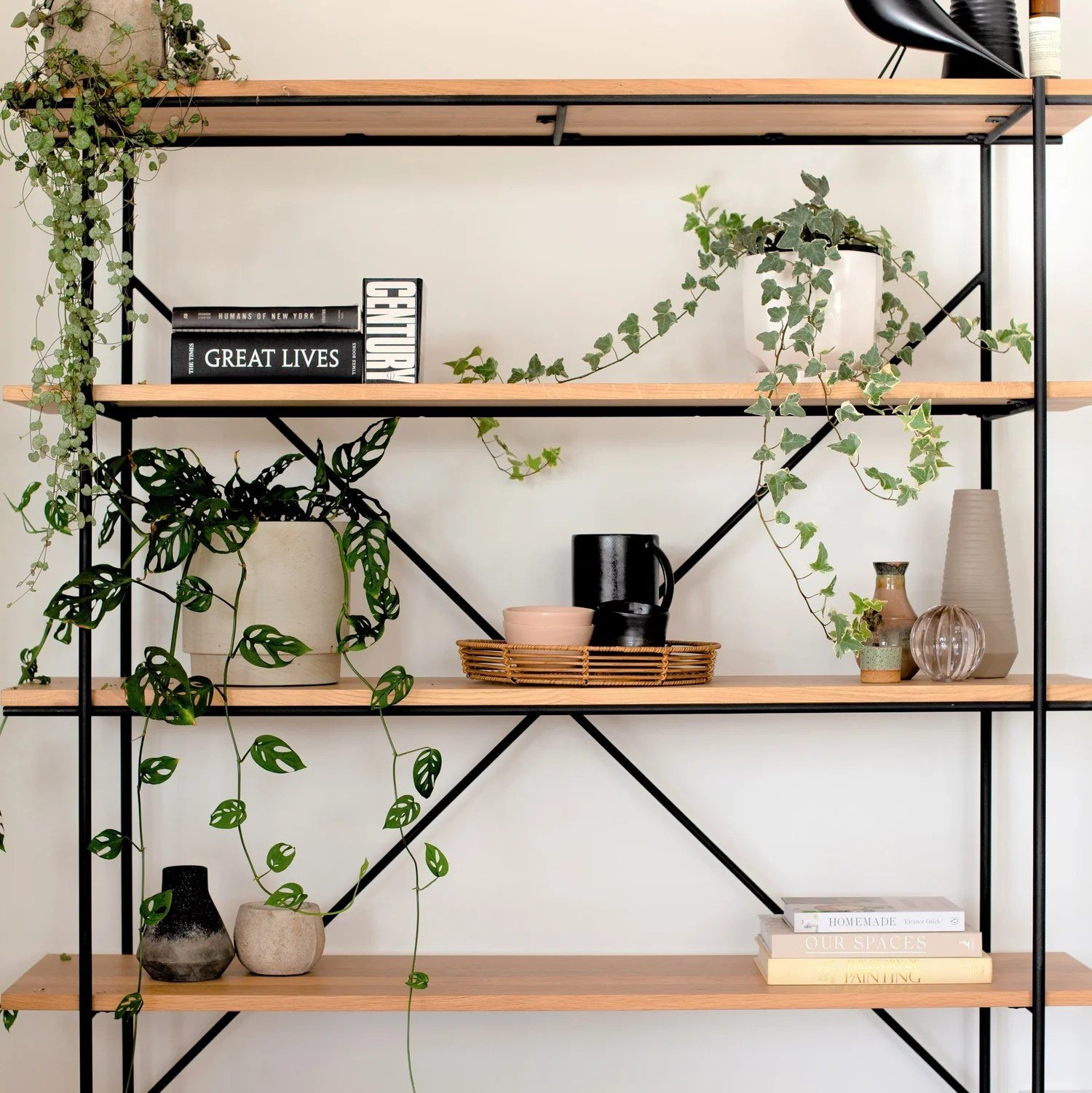
Bookshelves are where staging with books matters most. A full, crowded bookshelf makes a room feel smaller and busier. A styled bookshelf feels calm and curated.
Edit first – remove at least half of the books. Pack the rest away before your listing photos, as part of your decluttering.
Mix vertical and horizontal – stand some books upright and lay others flat in small stacks. This creates rhythm and stops shelves looking like a library.
Leave breathing space – aim to fill around two-thirds of each shelf, leaving gaps that let the eye rest.
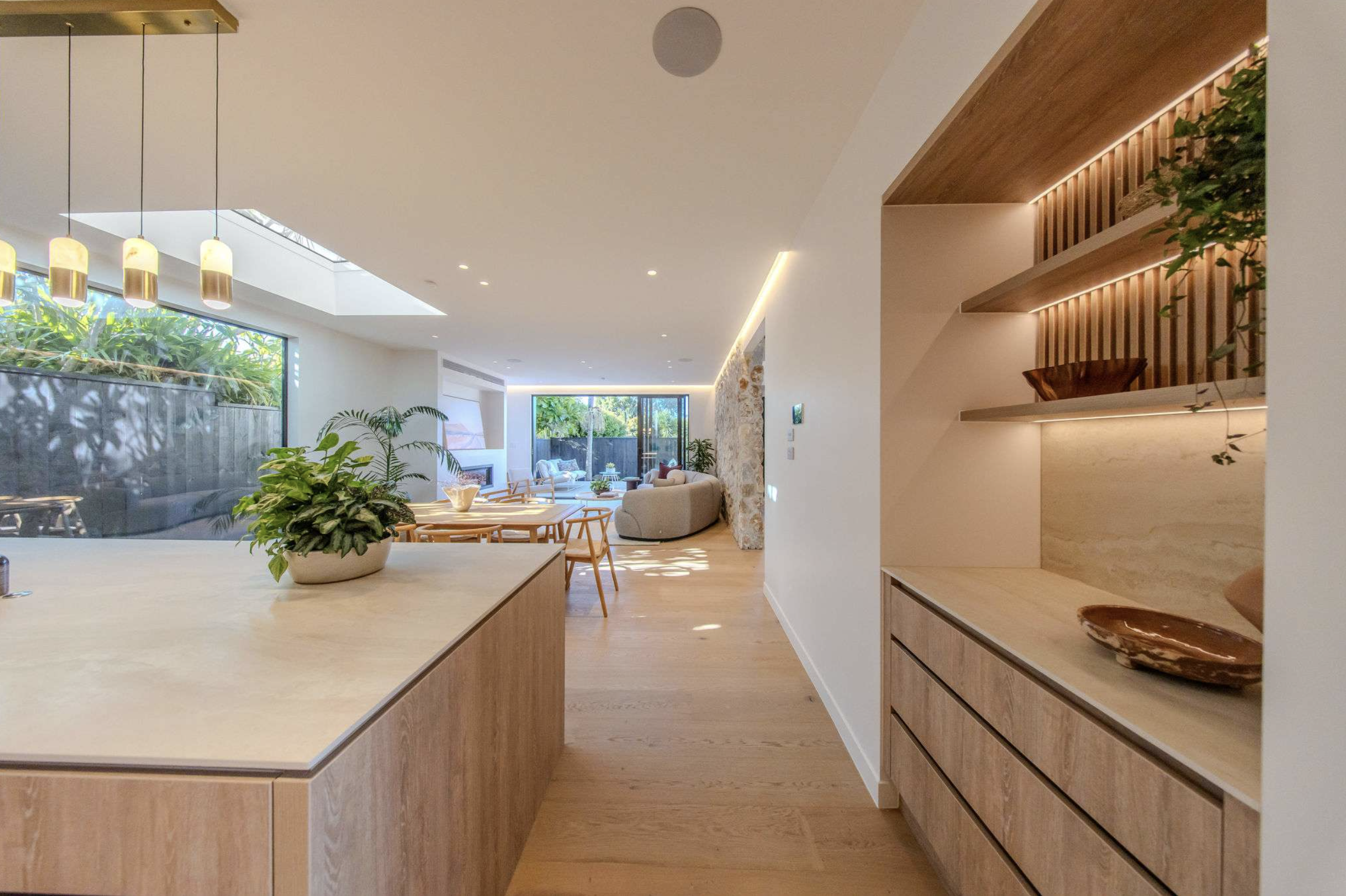
Add objects – break up books with a plant, a small vase, a framed print or a ceramic piece. Our houseplant styling tips work well on shelves.
Zigzag your styling – place a feature item on the left of one shelf and on the right of the next, so the eye moves across the whole unit.
Consider colour – group books by colour, or turn spines inward for a softer neutral look if the covers are bright or mismatched.
Using books in each room
Living room
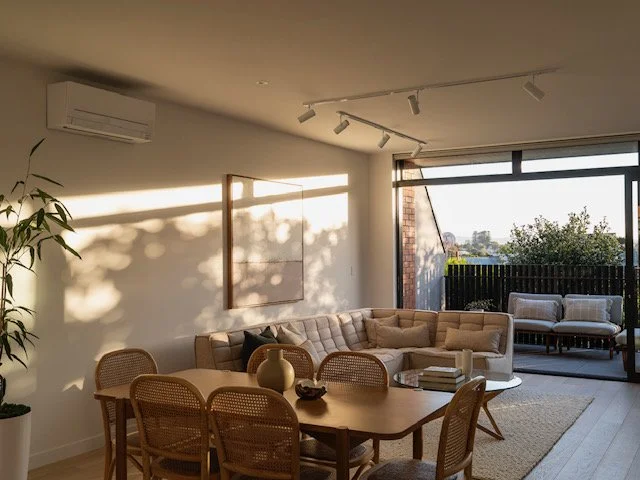
Style the coffee table and any shelving, and add one or two books to a side table beside a reading chair. Together, these details create a cosy, inviting lounge. For more ideas, read our living room staging tips.
Bedrooms
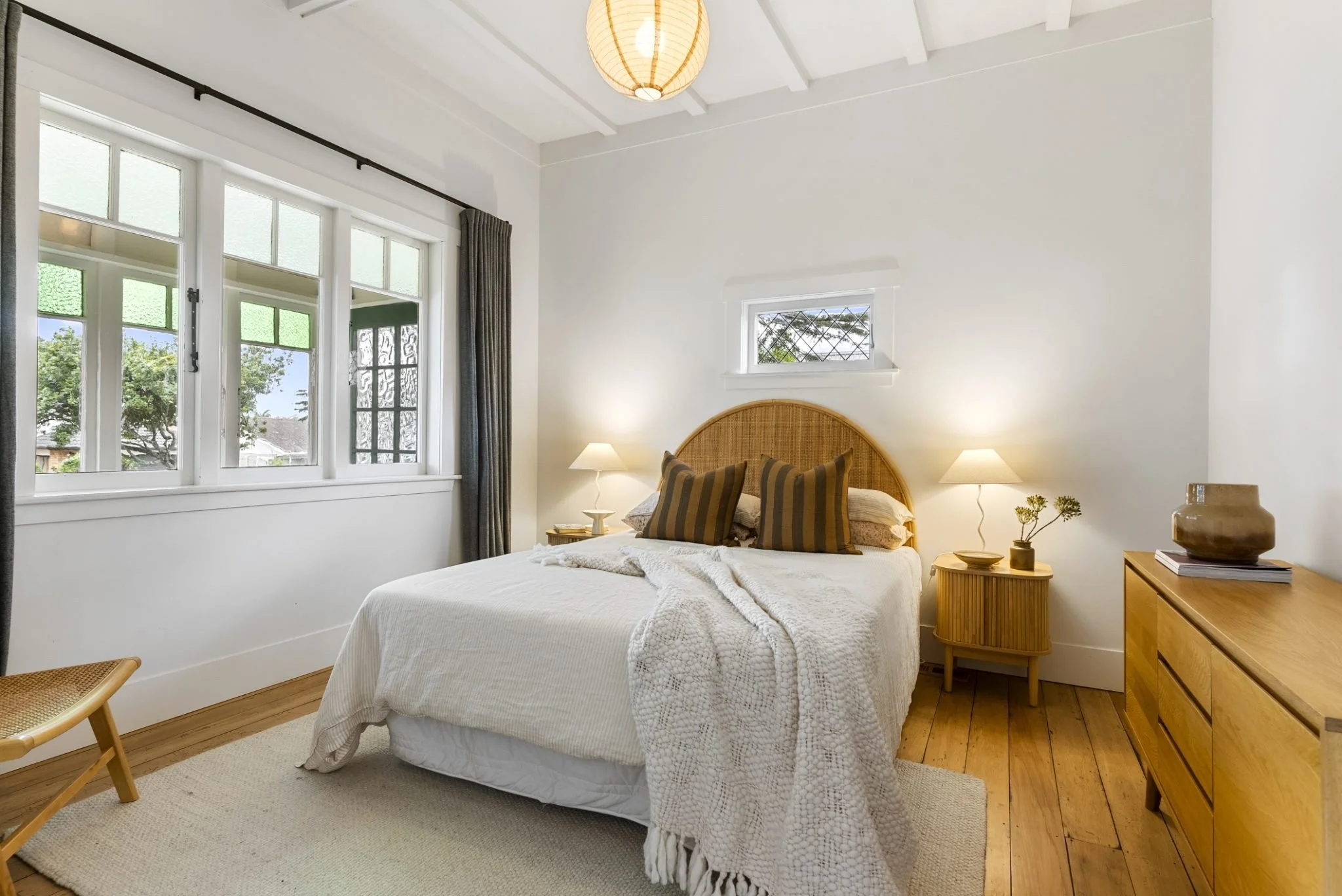
A small stack of two or three books on a bedside table, topped with a lamp or small plant, makes a bedroom feel restful. Keep the other bedside table simple for balance. See more bedroom décor ideas for home staging.
Home office
A few books on the desk or a nearby shelf show buyers the space works as a study. Choose design, business or reference titles and keep paperwork out of sight. Get more home office ideas.
Kitchen
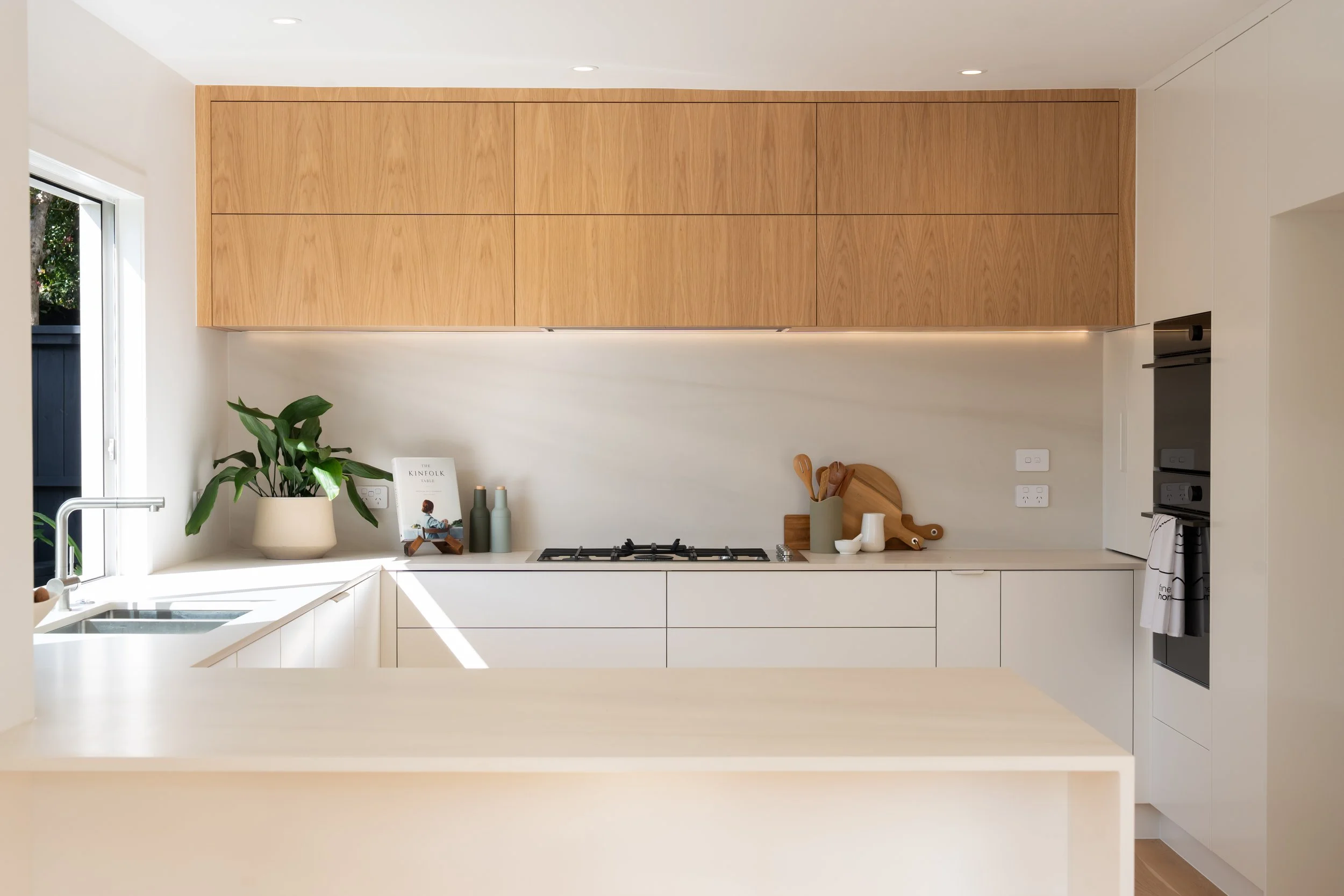
Two or three cookbooks leaning against the splashback or stacked on an open shelf add warmth to a kitchen. Keep benchtops mostly clear so buyers can see the bench space.
Small spaces and apartments
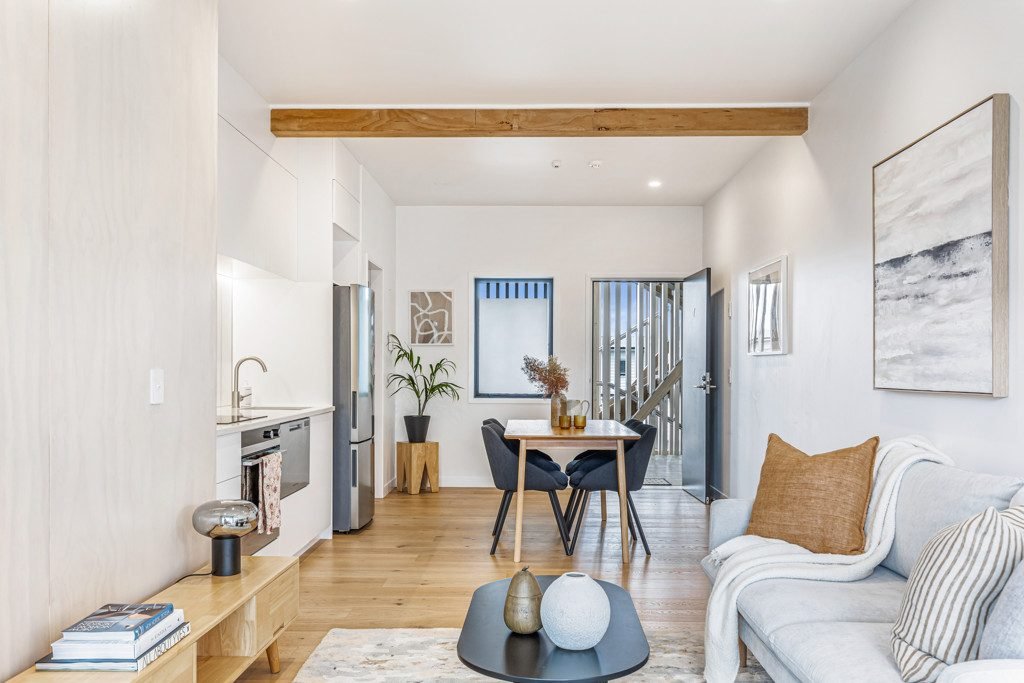
In compact homes, use books sparingly. A single stack on a console or a slim floating shelf adds personality without crowding the room. Our interior design ideas for small spaces have more tips.
Which books work best for staging?
Large-format coffee table books on interiors, architecture, travel, art, food and gardens
Hardcovers in neutral or muted tones that suit the room's colour palette
Books in good condition, without torn jackets, stickers or worn spines
Cookbooks for kitchens and dining areas
Books to avoid when staging
Political, religious or controversial titles that could distract buyers
Personal items such as photo albums, journals, diaries and school yearbooks
Worn paperbacks, magazines and piles of loose paper
Children's books and toys outside children's bedrooms
Overfilled shelves, which make rooms look cluttered and short on storage
Common mistakes when staging with books
The most common mistake is using too many books. Staging is about editing, so less is usually more. Others include stacking books too high, using books of all different sizes in one stack, and spreading single books across lots of surfaces. Instead, group books into a few deliberate moments in each room.
Let the professionals style it for you
Books are one of many finishing touches our team uses to make Auckland homes look their best, alongside furniture, art, lighting, soft furnishings and plants. Finer Homes has been staging Auckland homes since 2016, led by designer Gaby Muir. Every staging includes styling accessories chosen for your home and its likely buyers.
Get an instant guide on our home staging prices page, or contact us to book a free on-site consultation. You can also call Gaby on 021 871 716.

“I’m a real estate agent and I’ve worked with Finer Staging on several occasions. They are hands down an extraordinary company delivering service and design for their (and my) clients. Thank you Finer for your passion and your skill. Keep up the good work.”
RELATED BLOGS



Contact us today
Call Gaby on 021 871 716 or email us on the form below.